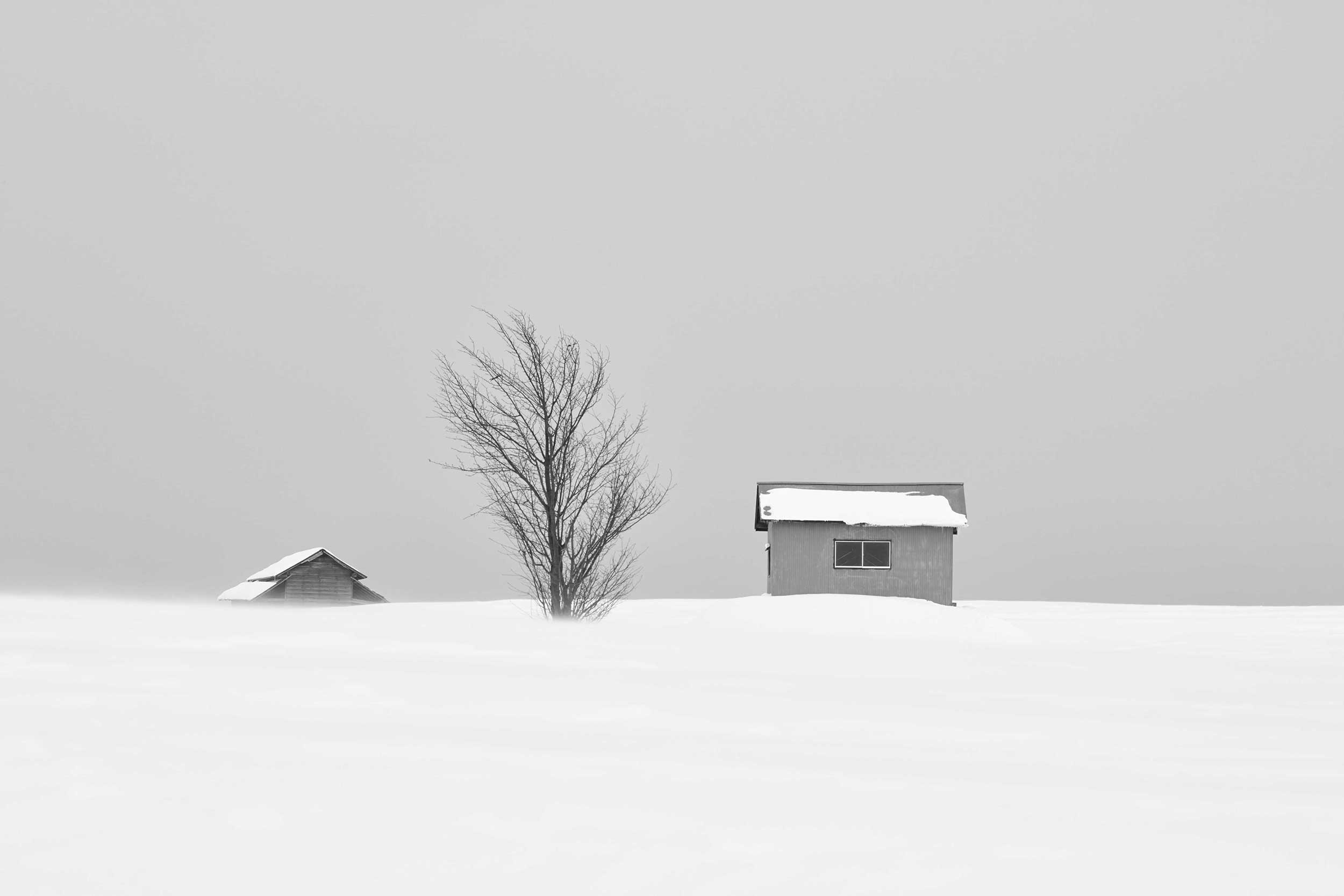
The Art of Minimalist Photography
by DMCC Member, Doris J. Bies
How to Create Powerful Images with Less
Minimalist photography is about simplicity, intention, and impact. Instead of filling the frame, you refine it. Instead of adding more, you remove distractions. The result? Clean, striking images that feel calm, modern, and emotionally powerful.
What Is Minimalist Photography?
Minimalist photography focuses on:
- A single subject (or very few elements)
- Strong use of negative space
- Clean lines and simple compositions
- Limited colour palettes
- Intentional storytelling
It’s not about emptiness — it’s about clarity.
Key Elements of Minimalist Photography
1. Negative Space
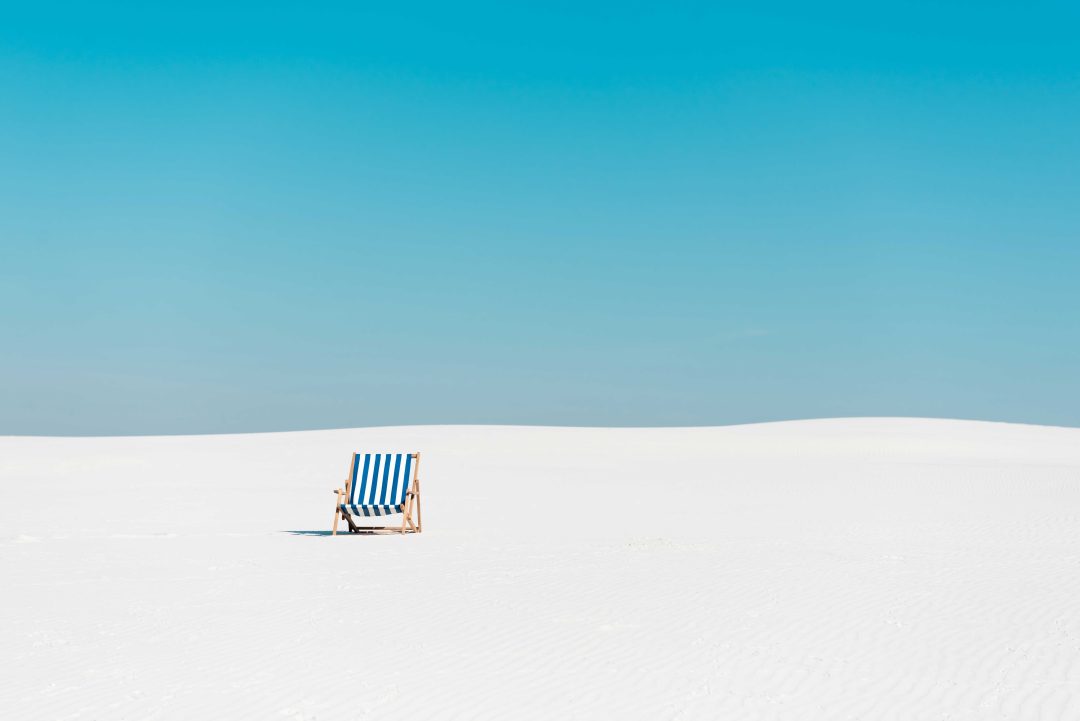
Negative space is the “empty” area around your subject. It gives the eye a place to rest and strengthens the focal point.
How to use it:
- Shoot against large skies, walls, water, or snow.
- Place your subject off-centre using the rule of thirds.
- Don’t feel pressure to “fill” the frame.
The emptier the space, the louder the subject speaks.
2. Strong Lines & Geometry
Minimalism thrives on structure.
Look for:
- Clean architectural lines
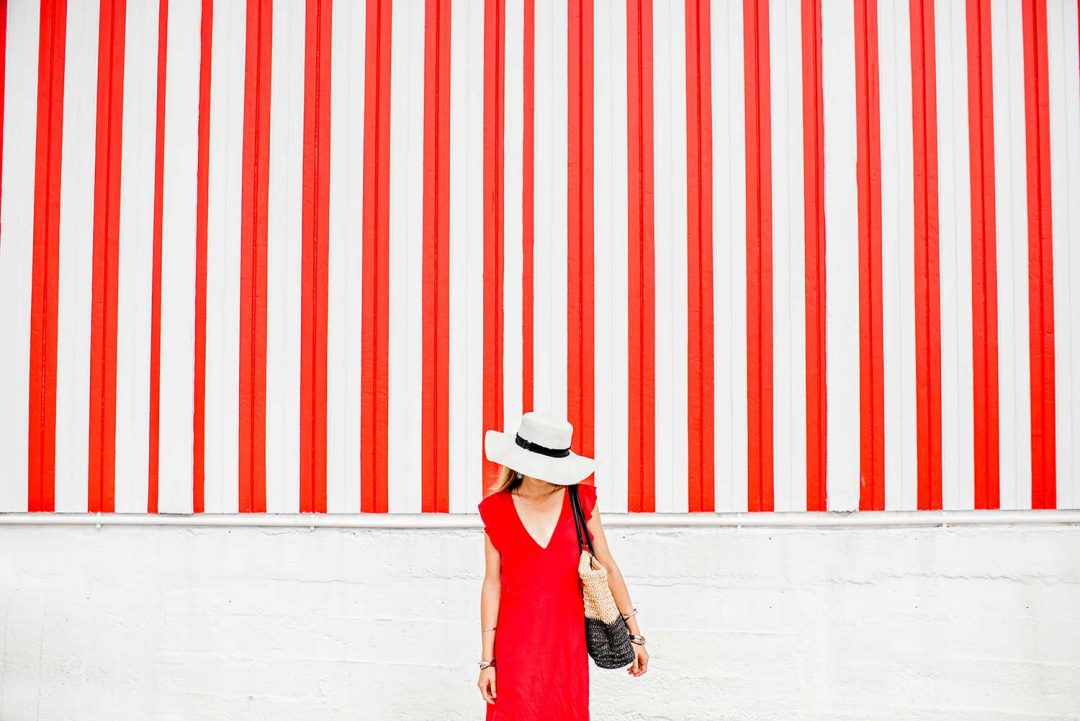
- Repetition and symmetry
- Sharp shadows
- Simple patterns
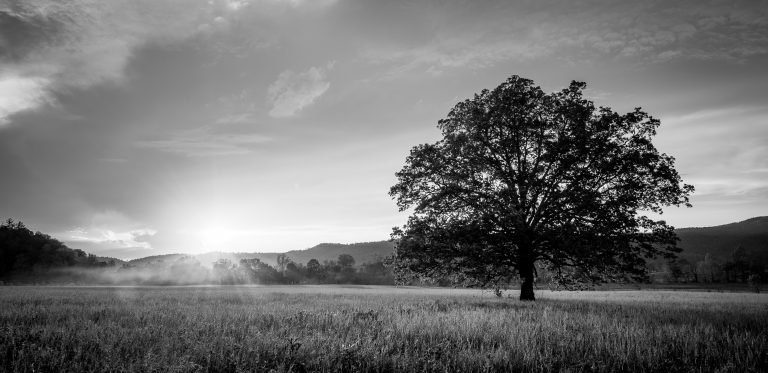
Black-and-white photography works well here because it enhances contrast and reduces colour distraction.
3. Limited Colour Palette
Minimalist images often feature:
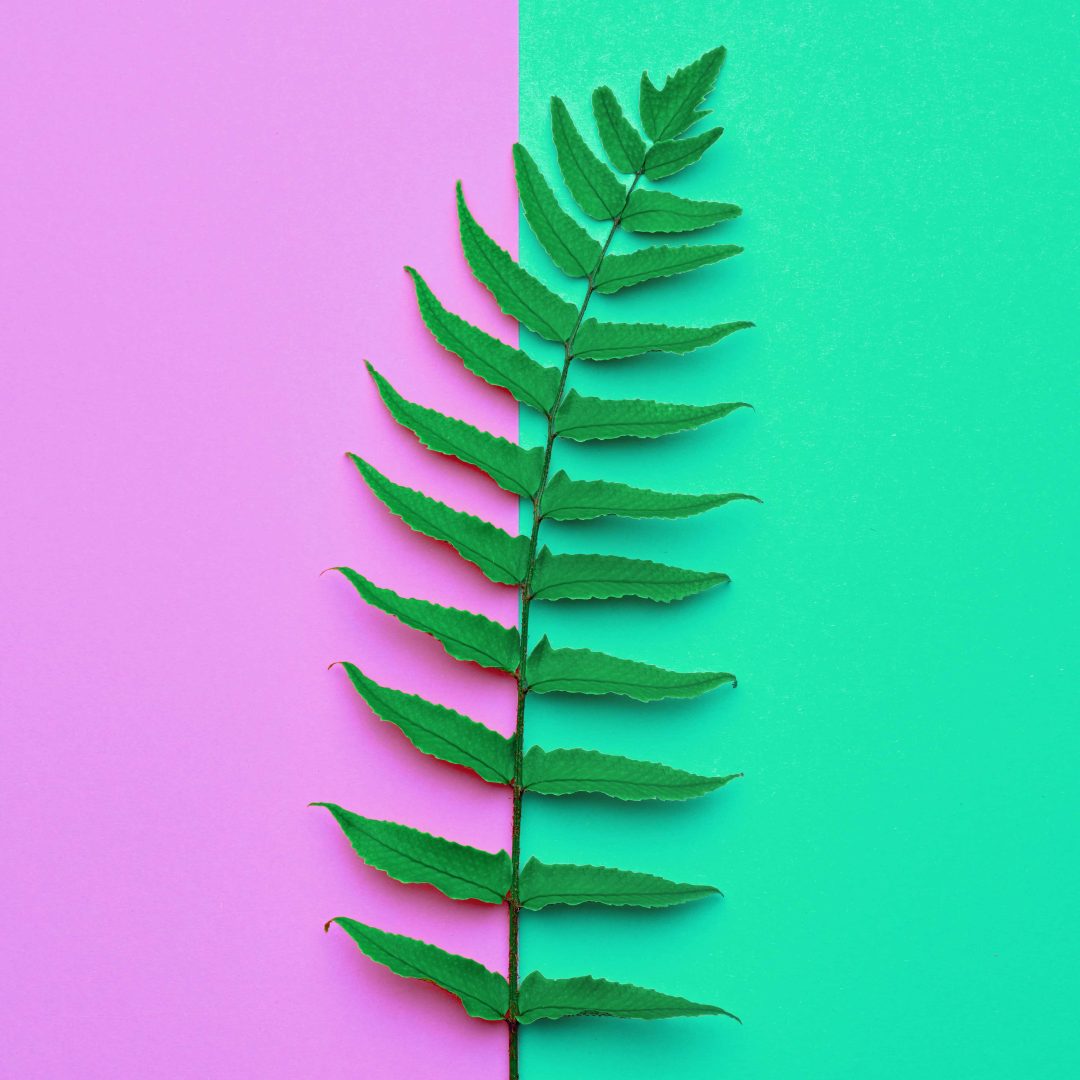
- One dominant colour
- Soft neutrals
- Muted tones
- High contrast colour pops
A single red umbrella in the snow. A pale blue door on a white wall. A beige dried flower against a cream background.
Simple. Clean. Impactful.
How to Shoot Minimalist Photography
Step 1: Choose One Clear Subject
Ask yourself:
What is this photo really about?
If you can’t answer in one sentence, simplify.
Step 2: Eliminate Distractions
Before pressing the shutter:
- Scan the edges of your frame
- Remove clutter
- Change angles
- Zoom in or step back
Minimalism often requires subtracting, not adding.
Step 3: Embrace Light
Soft natural light works beautifully for minimal photography.
- Shoot near windows
- Use overcast days for diffused light
- Experiment with shadows
Light creates mood — and in minimalist work, mood is everything.
Step 4: Use Simple Compositions
Try:
- Centered subjects
- Rule of thirds placement
- Symmetry
- Large expanses of sky or wall
Avoid complex layering. Keep it clean.
Minimalist Photography Ideas to Try
- A single flower against a blank wall
- One boat on calm water
- A lone chair in an empty room
- A bird flying across the open sky
- A simple still life with one object
- A foggy landscape with one tree
These types of images work beautifully for greeting cards, wall art, and social media because they evoke emotion without overwhelming the viewer.
Editing Tips for a Minimalist Look
- Reduce clarity slightly for softness
- Lower saturation for muted tones
- Increase contrast for graphic impact
- Remove visual clutter in post-production
- Crop tighter if needed
Resist over-editing. Minimalism is subtle.
Why Minimalist Photography Works
Minimalist images feel:
- Calm
- Modern
- Timeless
- Sophisticated
- Emotional
In a world that feels visually noisy, simplicity stands out.
For artists creating high-end prints, minimalist photography allows viewers to connect more personally. It leaves space — not just in the image, but in the emotion.
Final Thoughts
Minimalist photography isn’t about having less creativity — it’s about having more intention.
Train your eye to notice:
- Clean backgrounds
- Isolated subjects
- Natural negative space
- Light and shadow
When you strip an image down to its essence, what remains is powerful.