Monochromatic Photography: Creating Powerful Images with a Single Colour
by DMCC Member Doris J. Bies
In a world filled with vibrant colours and visual distractions, monochromatic photography offers a unique way to simplify a scene and emphasize mood, texture, shape, and emotion. While many photographers are familiar with black-and-white photography, monochromatic photography goes beyond simply removing colour. It is the art of creating an image using variations of a single colour or tone to tell a compelling visual story.
Whether you’re entering competitions, building your portfolio, or simply looking to expand your creative skills, understanding monochromatic photography can elevate your work.
What is Monochromatic Photography?
A monochromatic image is composed primarily of one colour and its various shades, tints, and tones. The colour may be blue, red, green, sepia, or even black and white. The key is that the image relies on a single colour palette rather than multiple competing colours.
In black-and-white monochromatic photography, photographers use a range of tones from pure black to brilliant white. In colour monochromatic photography, a dominant colour becomes the visual theme while tonal variations create depth and interest.
The absence of competing colours encourages viewers to focus on other important elements of photography:
• Emotional Impact
• Composition
• Contrast
• Texture
• Shape
• Pattern
• Light and Shadow
Why Photographers Love Monochromatic Images
Monochromatic photography has a timeless quality. By reducing colour distractions, photographers can create images that feel more artistic, dramatic, and emotionally engaging.
Benefits include:
- Simplifies busy scenes
- Enhances mood and atmosphere
- Draws attention to texture and detail
- Creates a stronger visual impact
- Helps tell a clearer story
- Produces images with a classic and elegant appearance
Many iconic photographs throughout history have relied on monochromatic presentation to communicate powerful emotions and narratives.
Tips and Tricks for Creating Strong Monochromatic Images
1. Look for Strong Contrast
Without multiple colours to separate subjects, contrast becomes essential.
Seek scenes where light and dark areas create visual interest:
- Sunlight streaming through a window
- Silhouettes
- Dramatic shadows
- Bright highlights against dark backgrounds
Strong contrast helps guide the viewer’s eye through the image.
2. Focus on Texture
Texture often becomes the star of a monochromatic image.
Look for:
- Weathered wood
- Wrinkled faces
- Architectural details
- Stone surfaces
- Tree bark
- Fabric and clothing textures
Side lighting is particularly effective for revealing texture.
3. Pay Attention to Shapes and Patterns
Repeating patterns and strong geometric shapes stand out more when you remove colour.
Examples include:
- Staircases
- Fences
- Windows
- Reflections
- Architectural details
- Natural patterns in leaves or sand
Clean compositions often produce the strongest results.
4. Use Light Creatively
Light is arguably the most important ingredient in monochromatic photography.
Experiment with:
- Golden hour light
- Side lighting
- Backlighting
- High-key images
- Low-key images
The way light interacts with your subject can dramatically affect the mood of the final photograph.
5. Think About Emotion
Monochromatic photography often evokes stronger emotions than colour photography.
Ask yourself:
- What story am I telling?
- What feeling do I want viewers to experience?
- Does removing colour strengthen the message?
Images with emotional connection tend to have a lasting impact.
6. Don’t Convert Every Image to Monochrome
One common mistake is believing every image looks better in monochrome.
Before converting, consider whether:
- Colour contributes to the story.
- The image contains sufficient tonal range.
- Strong contrast exists.
- Shapes and textures can carry the visual weight.
If colour is central to the subject, monochrome may weaken rather than strengthen the image.
Common Subjects for Monochromatic Photography
Some subjects naturally lend themselves to monochromatic treatment:
Portraits
Monochrome portraits emphasize expression, character, and emotion.
Architecture
Buildings often contain strong lines, shapes, and patterns that translate beautifully into monochrome.
Street Photography
Removing colour helps focus attention on human interactions, gestures, and storytelling.
Landscapes
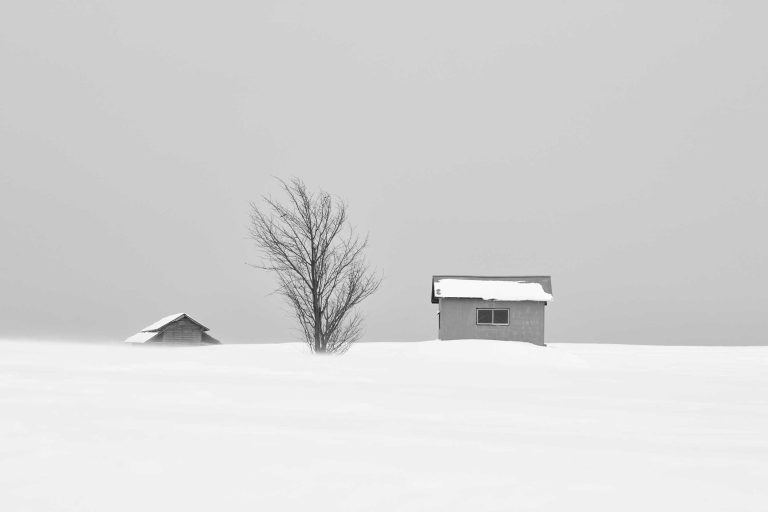
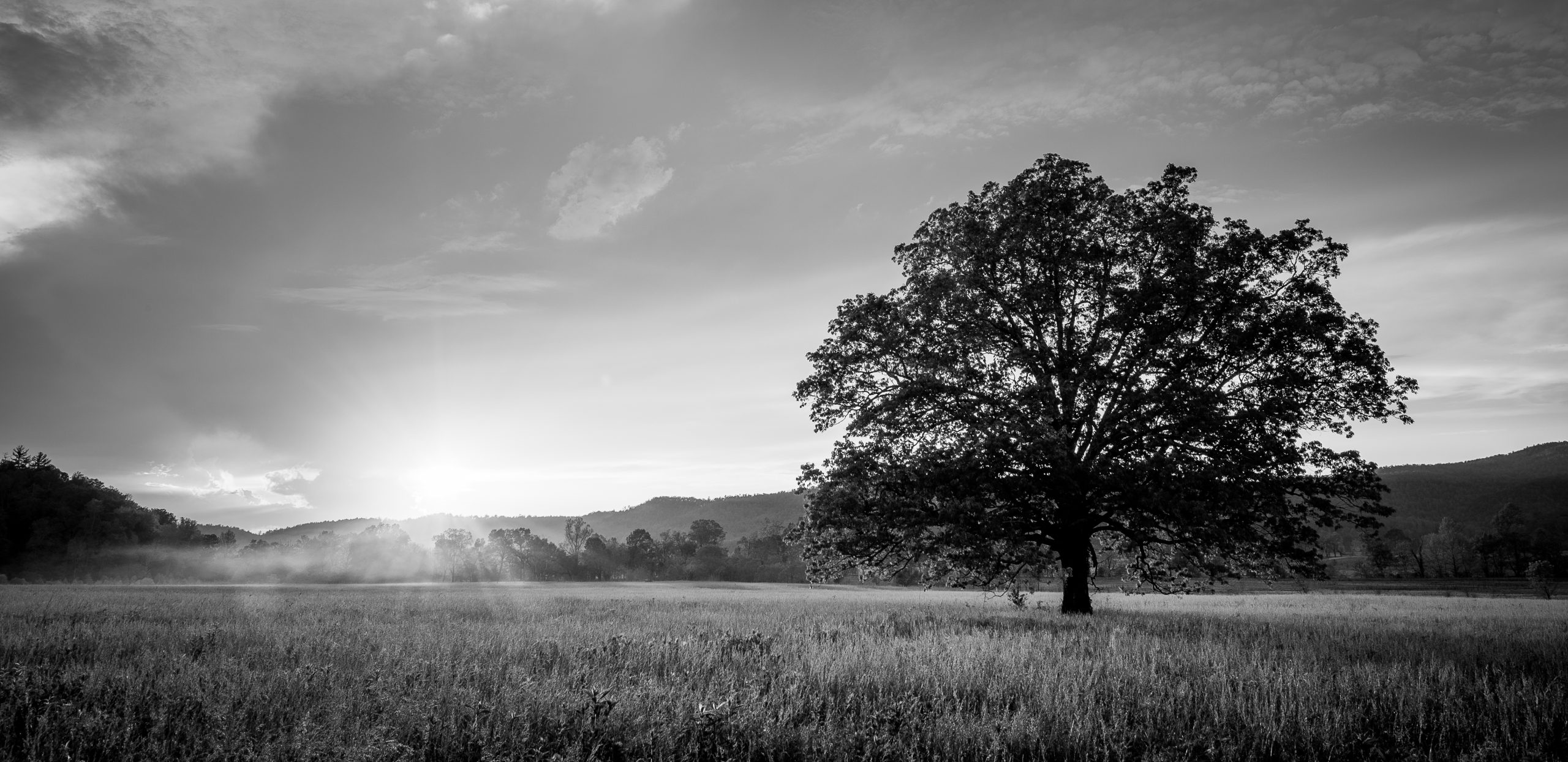
Fog, dramatic skies, lone trees, and rugged terrain often create stunning monochromatic images.
Wildlife
Texture, fur, feathers, and dramatic lighting can become powerful visual elements.
What Competition Judges Are Looking For
Many photographers assume judges simply evaluate monochromatic images on technical quality. While technical excellence matters, judges typically look for much more.
Impact
The image should immediately capture attention.
Ask yourself:
“Would this image make someone stop and look?”
A strong first impression is often crucial in competition settings.
Storytelling
Judges appreciate images that communicate a message, emotion, or narrative.
The viewer should feel something when looking at the photograph.
Tonal Range
Strong monochromatic images typically contain a full range of tones, from deep blacks to bright highlights.
Avoid images that appear flat, muddy, or lacking in contrast unless the mood intentionally calls for it.
Composition
Judges evaluate:
- Balance
- Subject placement
- Leading lines
- Framing
- Simplicity
- Visual flow
A well-composed image helps direct the viewer’s attention to the intended focal point.
Technical Excellence
Key technical considerations include:
- Sharpness where appropriate
- Proper exposure
- Controlled highlights and shadows
- Clean processing
- Minimal distractions
Technical flaws should not interfere with the image’s message.
Originality
Competition judges often see hundreds or thousands of photographs.
Unique perspectives, creative concepts, and fresh interpretations help an image stand out from the crowd.
Effective Use of Monochrome
Perhaps most importantly, judges may ask:
“Does monochrome improve this image?”
If the photograph is stronger without colour, the monochromatic treatment has succeeded.
Final Thoughts
Monochromatic photography challenges us to see beyond colour and focus on the fundamental building blocks of a great image: light, shadow, texture, shape, and emotion. By simplifying a scene, photographers can create photographs that are timeless, expressive, and visually powerful.
When you’re out with your camera, try looking for images not in colour, but in tones. You may discover that some of your strongest photographs emerge when a single colour, or no colour at all, takes centre stage.