
Capturing The Flow: Mastering Panning Photography

Photography is all about capturing moments, and one of the most dynamic ways to do so is through panning. Panning is a technique used to photograph moving subjects, keeping them sharp and focused against a blurred background, thereby creating a sense of motion and speed.
What is Panning in Photography?
Panning involves tracking a moving subject with your camera while using a slower shutter speed. The goal is to focus on the subject while allowing the background to blur due to motion.
This technique is commonly used in motorsports, cycling, running, and wildlife photography to emphasize movement and energy and bring images to life.
Water Cross Race by DMCC Member Betty Chan
Essential Equipment for Panning
While panning can be done with any camera, specific gear can improve your success rate:
- DSLR or Mirrorless Camera – Offers manual control over shutter speed and focus.
- Telephoto or Zoom Lens – Helps maintain a comfortable distance from the subject while filling the frame.
- Tripod with a Gimbal or Monopod – Provides stability and smoother motion tracking.
- Fast Autofocus System – Ensures the subject remains sharp while moving.
Best Camera Settings for Panning
To achieve the perfect panning shot, adjust your camera settings accordingly:
- Shutter Speed – Use a slower shutter speed, typically between 1/30s to 1/125s, depending on the speed of your subject.
- Aperture – Choose a moderate aperture (f/8–f/11) to maintain a balanced depth of field.
- ISO – Keep it low (ISO 100–400) to prevent overexposure in bright conditions.
- Focus Mode – Use Continuous Autofocus (AI Servo/AF-C) to track the subject.
- Drive Mode – Set your camera to burst mode to capture multiple frames per second.
Step-by-Step Guide to Panning
- Choose Your Subject – Pick a moving object such as a car, cyclist, or runner.
- Position Yourself – Stand at a fixed point with a plain, uncluttered background.
- Pre-Focus – Lock focus on where you expect the subject to move.
- Follow the Motion – As the subject approaches, match the movement of the camera with the speed of the subject to smoothly track its movement.
- Shoot in Burst Mode – Press the shutter while maintaining a steady motion.
- Keep Moving After the Shot – Follow through with your motion to avoid abrupt stops that could cause blur on the main subject.
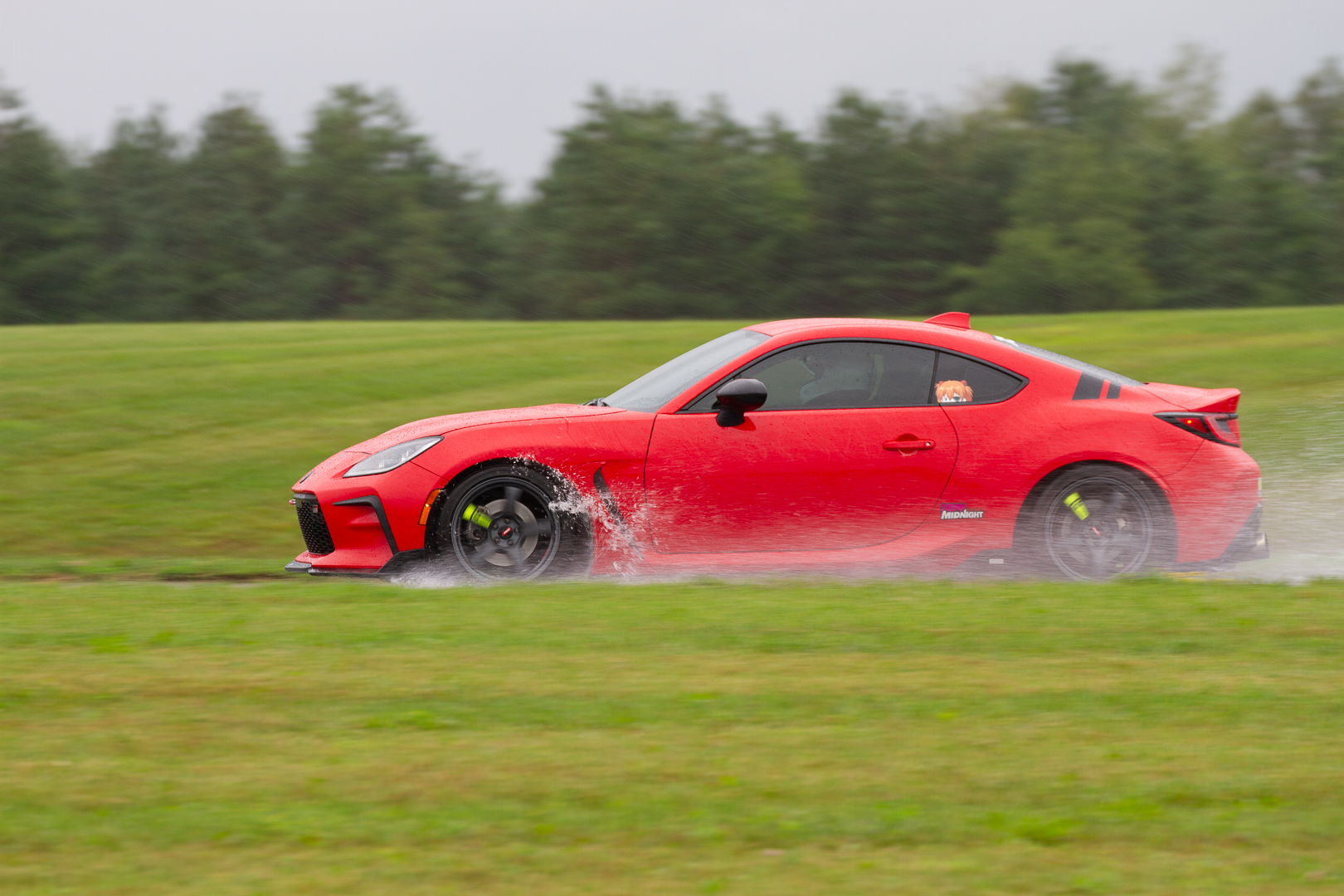
Rainy Day Race by DMCC Member Tom Miles
Common Mistakes and How to Avoid Them
- Shutter Speed Too Fast – Results in a frozen image with no motion blur. Lower the shutter speed to create a better effect.
- Inconsistent Movement – Jerky or uneven tracking can lead to unwanted blur. Practice smooth camera movements.
- Subject Not Sharp – If the subject is blurry, increase the shutter speed slightly or improve your tracking technique.
- Busy Backgrounds – Cluttered backgrounds can make the motion blur less effective. Choose simple or contrasting backdrops.
Tips for Improving Your Panning Shots
- Practice with Different Speeds – Try panning slower-moving subjects before advancing to faster ones.
- Use a Wider Stance – This helps maintain stability while tracking.
- Experiment with Different Angles – Shooting from lower angles can add drama and depth to your images.
- Refine Your Timing – Anticipate the subject’s movement and start tracking before pressing the shutter.
Final Thoughts
Panning is a challenge to pull off, both technically and artistically. It is a skill that takes patience and practice,
but once mastered, it can add a new dimension to your photography.
By understanding the right settings, refining your technique, and experimenting with different subjects,
you can create stunning images that convey motion and excitement.
So grab your camera, find a moving subject, and start panning to breathtaking shots!
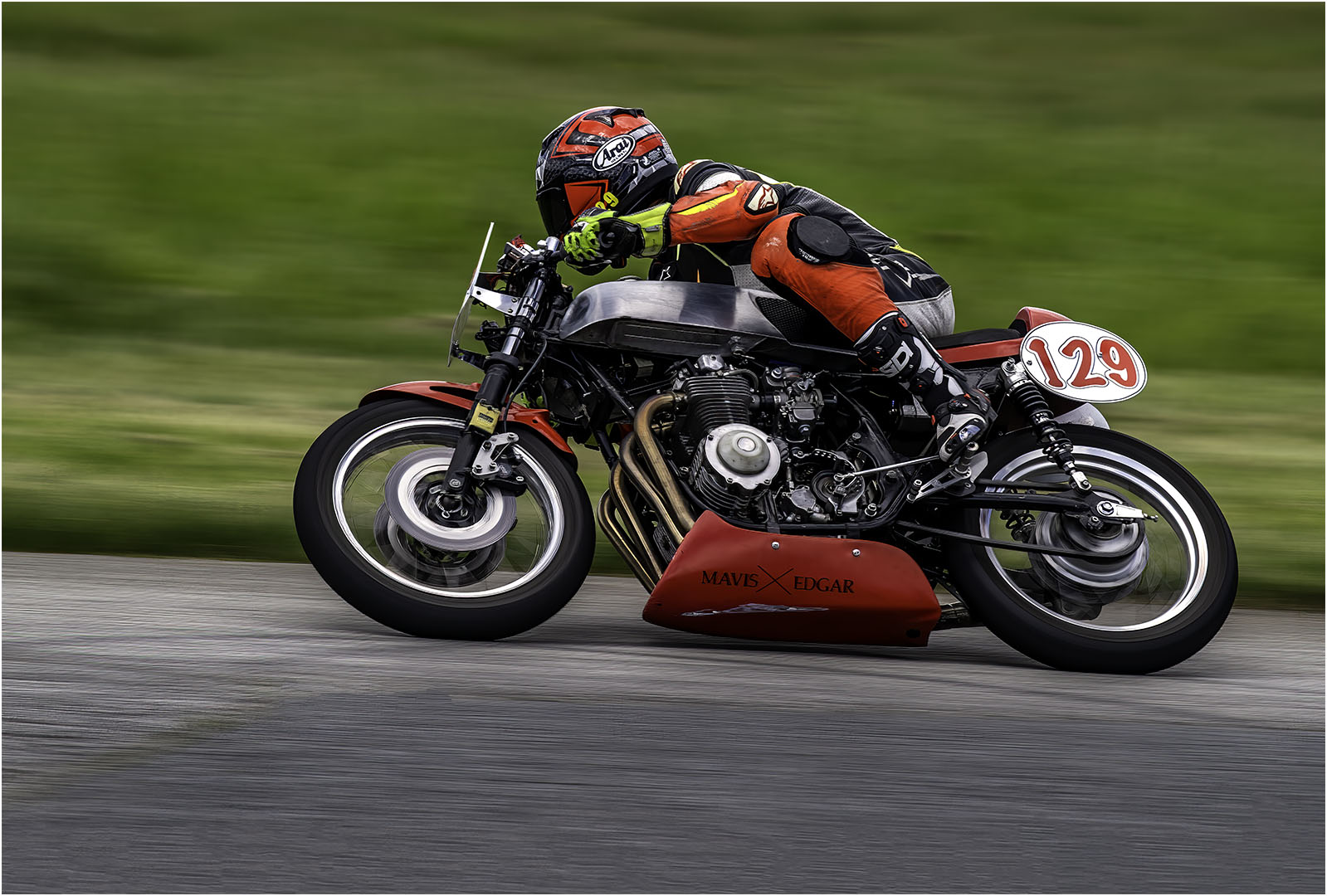
The Need for Speed by DMCC Member George Campbell
Join The Don Mills Camera Club
Website Images
The photographs used throughout this site are the work of members of the Don Mills Camera Club.
All rights are reserved.